

PT TWC and Basarnas Strengthen Disaster Preparedness at Prambanan Temple
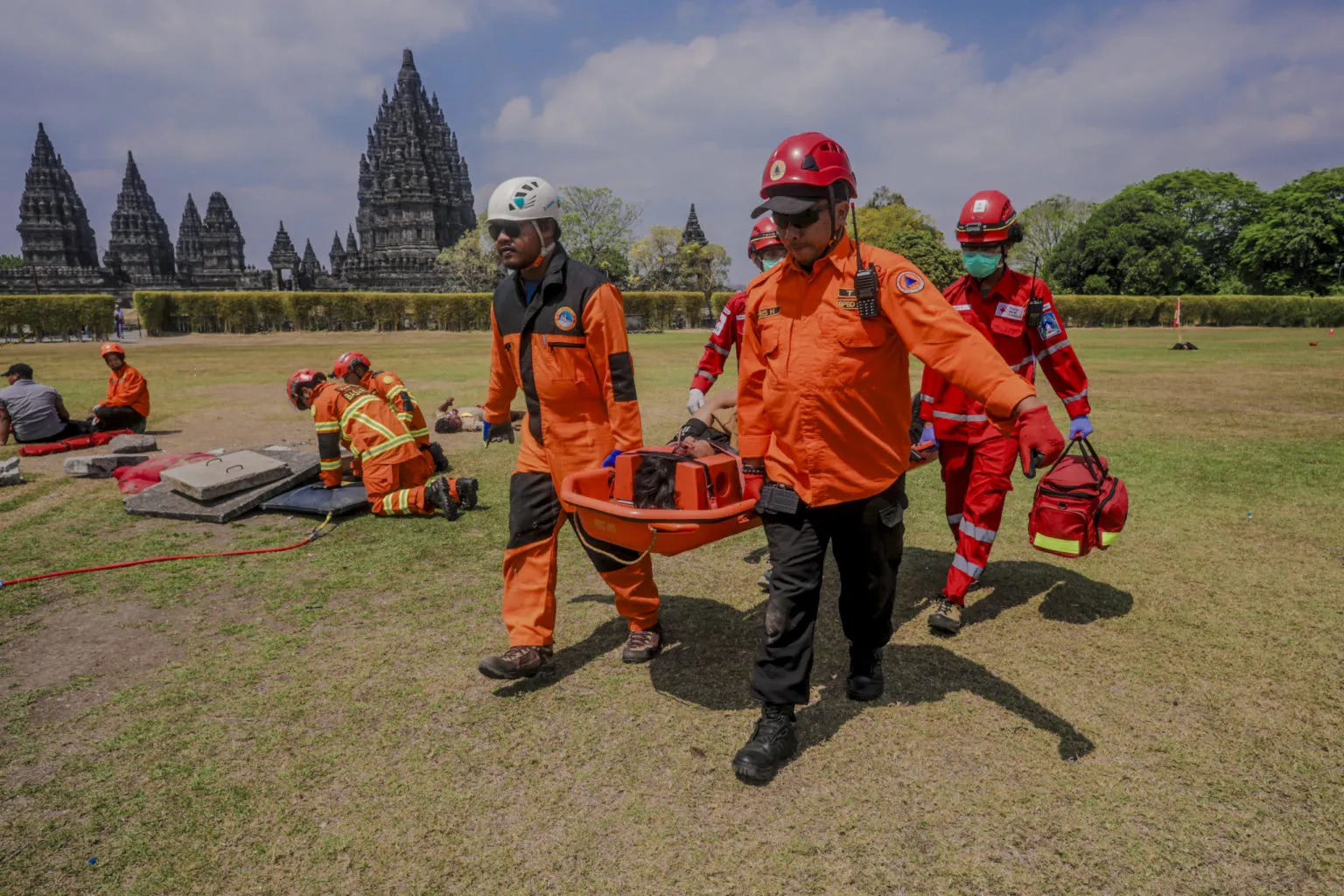
The National Search and Rescue Agency (Basarnas) of the Special Region of Yogyakarta together with PT Taman Wisata Candi Borobudur, Prambanan and Ratu Boko as well as the Museum and Cultural Heritage (MCB) held a training and disaster management simulation agenda in the Prambanan Temple area.
This activity from September 3–4, 2026, is an effort to strengthen the coordination and capacity of all stakeholders in providing a fast, appropriate, and coordinated response when a disaster occurs that threatens the safety of tourists and the community in the super priority tourism destination area of Prambanan Temple.
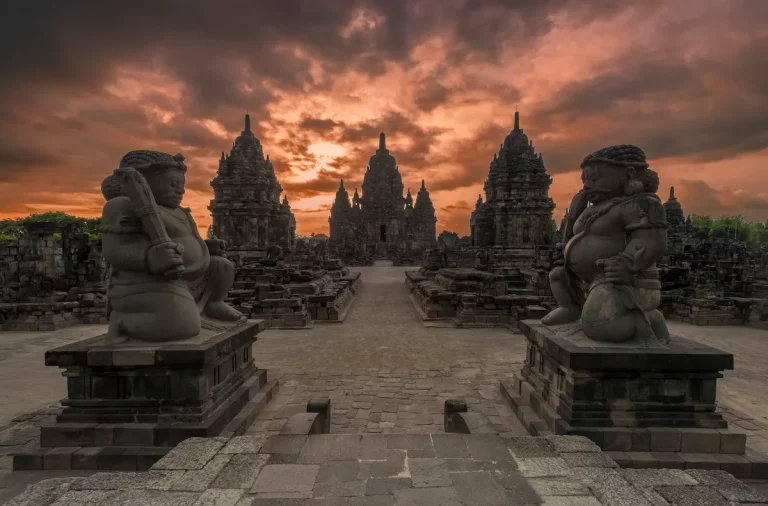
Prambanan and Ratu Boko General Manager Leonardus Adityo Nugroho said that safety is a top priority in managing the destination, especially since Prambanan Temple is a cultural heritage site with historical value and is also one of Indonesia's leading tourist destinations.
According to him, preparedness is becoming increasingly important because the Prambanan area is located in a region with potential disaster risks. One such risk is the presence of the Opak Fault in the area.
"As a management company that prioritizes customer safety and satisfaction, we are grateful for the training provided by Basarnas. We hope this activity will improve the knowledge, preparedness, and coordination of all parties in the event of an emergency," he said.
Basarnas Director of Preparedness Noer Isrodin M said the training and simulation activities were part of Basarnas' commitment to strengthening the safety aspects of the tourism sector, especially in destinations that have potential disaster risks.
According to Noer, the simulation was conducted to compile and re-agree on standard operating procedures (SOPs) for handling emergencies, especially for tourists when life-threatening conditions occur.
"The purpose of this simulation activity is to agree on and re-draft the SOP for handling emergencies, especially for tourists in the event of an emergency," said Noer.
He explained that a number of potential emergencies that need to be anticipated in the Prambanan Temple area include earthquakes, volcanic eruptions, and various accidents or incidents that require a quick response.
In its implementation, the activity involves various elements, starting from the Prambanan Temple Tourism Park management, Basarnas, Regional Disaster Management Agency (BPBD), Museum and Cultural Heritage, PMI as well as the TNI and Polri according to handling needs in the field.
The Director of Preparedness at Basarnas emphasized the importance of a shared understanding between agencies when dealing with emergencies. He stated that clear SOPs will ensure that all parties understand their respective roles, authorities, and coordination mechanisms.
"Hopefully, this activity will establish a standard procedure that will be followed by all stakeholders, so that when an emergency occurs, everyone can work together with one command, one data source, and take swift and appropriate action to save the lives of those affected," he said.
Destination managers play a crucial role as the initial response to emergencies in tourist areas. If the situation exceeds the management's capacity, Basarnas, along with other SAR agencies, can provide support through human resources, equipment, and a broader command system.
"If a disaster occurs, the first responders are naturally the tourism management authorities. Because this is a restricted area, the management is the first to recognize and respond to the incident. If it's beyond our capacity, Basarnas will intervene," he explained.
In addition to strengthening standard operating procedures (SOPs), Noer also highlighted the importance of implementing a command system and using a single data base in emergency response. This is necessary to avoid overlapping authorities and actions in the field.
Strengthening safety aspects is a crucial part of the sustainability of the tourism sector. Addressing tourist safety has a broader impact on the image and reputation of Indonesian tourism. Therefore, a robust safety system needs to be built through cross-stakeholder collaboration.
"Our passion is to build collaborative partnerships to strengthen tourism destinations. We want this support to impact the comfort and safety of visitors," he said.
Through this joint training and simulation, PT TWC and Basarnas Yogyakarta hope to build stronger preparedness in the Prambanan Temple area, not only in terms of technical capabilities, but also through coordination, communication, role allocation, and standardized procedures between agencies.
This effort also emphasizes PT TWC's commitment to providing a safe and comfortable tourism experience, while ensuring that the preservation of cultural heritage areas goes hand in hand with strengthening safety and disaster preparedness aspects.