

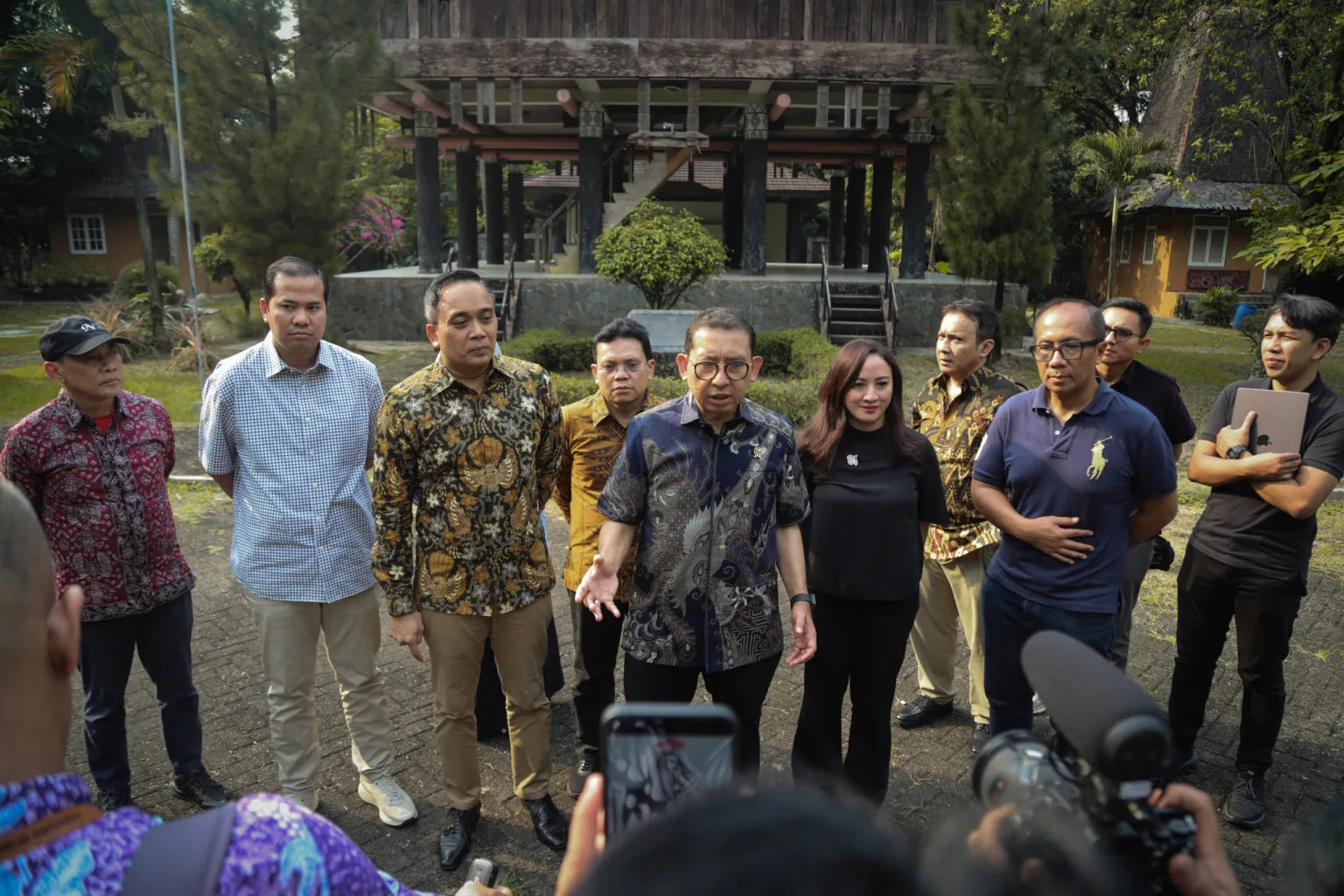
The Ministry of Culture has converted the East Timor Pavilion at TMII into a symbol of Indonesian-Timor Leste diplomacy.
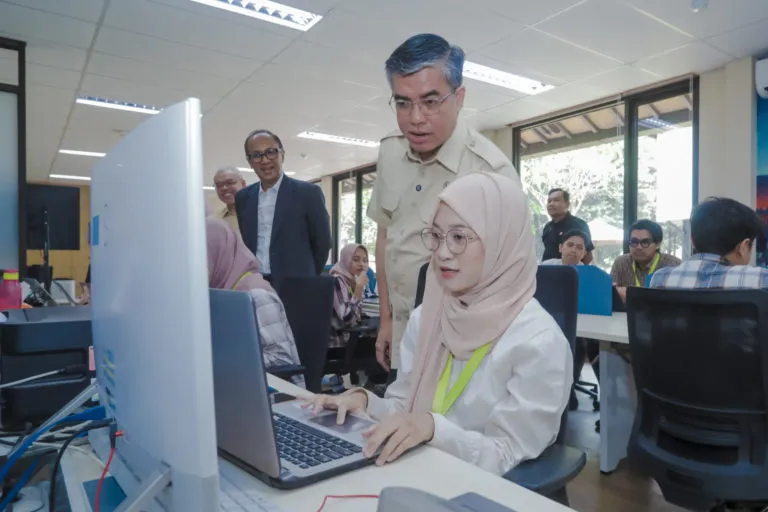
The grand plans for Taman Mini Indonesia Indah (TMII) emerged during a visit by Indonesian Culture Minister Fadli Zon. The visit focused on the revitalization and conversion of the East Timor Pavilion, a 1980s heritage building, into a Museum of Friendship and Diplomacy between Indonesia and Timor Leste.
The visit was also attended by officials from the Ministry of Culture, including the Director General of Cultural Advancement, Restu Gunawan. The area management team included Indung Purnama Jati, Director of Operations at InJourney Destination Management, and Ratri Paramita, President Director of TMII, along with representatives from the Purna Bhakti Pertiwi Foundation, Museum Deputy Director Indrawati, and Museum Curator Gunawan.
The East Timor Pavilion holds invaluable historical value. The Ministry of Culture is working to transform it into a space for international diplomacy. Meanwhile, this transformation process will involve cultural experts and historians to refine the concept.
The Indonesian Minister of Culture plans to present artifacts from the Atambua and Belu regions in NTT, areas that have cultural ties with Timor Leste, as part of an effort to convey the story of friendship between the countries in an educational way.
After visiting the East Timor Pavilion, Minister of Culture Fadli Zon continued his tour of two museums in need of modernization. The Stamp Museum was directed to reorganize its exhibition layout and accelerate the digitalization process.
Meanwhile, the Heritage Museum is slated to incorporate immersive technology for interactive narratives, complete with solar panel installations as part of its sustainability commitment. The keris-making workshop, previously closed to visitors, is also planned to be opened as an educational attraction ( showcase ).
The final stop of the visit is the Purna Bhakti Pertiwi Museum, a building dedicated to President Suharto. The museum houses a collection of over 20 artifacts, ranging from historical records of the struggle to souvenirs from various world leaders.
The significant historical value prompted the Minister of Culture to make the long-closed museum accessible again, provided that it is reorganized and conserved as quickly as possible.
"This revitalization step ensures that no museums or pavilions become abandoned," concluded Fadli Zon.