

PT TWC Supports the Spiritual Space of Borobudur and Prambanan Temples, Encouraging Quality and Sustainable Tourism
PT Taman Wisata Candi Borobudur, Prambanan and Ratu Boko (Persero) or InJourney Destination Management continues to strengthen the role of the temple area as a spiritual space that provides meaningful experiences for visiting devotees.
The strengthening of this function was presented through the signing of a Memorandum of Understanding between the Central Government and the Central Java Provincial Government and the DI Yogyakarta Provincial Government regarding the use of Prambanan, Borobudur, Mendut, and Pawon Temples as worship spaces for Hindus and Buddhists at the Indonesian Ministry of Religion, Thursday (17/9/2026).
The scope of the collaboration includes utilizing Prambanan Temple as a center for Hindu Tirtha Yatra and Buddhist Dharmayatra, along with the Borobudur, Mendut, and Pawon temple complexes. The area is also targeted for development as a religious, cultural, and religious tourism destination, as well as a center for research and innovation in the fields of religion, history, art, and culture.
The collaboration also includes facilitating the use of temple areas, promoting religious and cultural tourism, empowering the community's economy, and preserving the four temples as cultural heritage and national heritage.
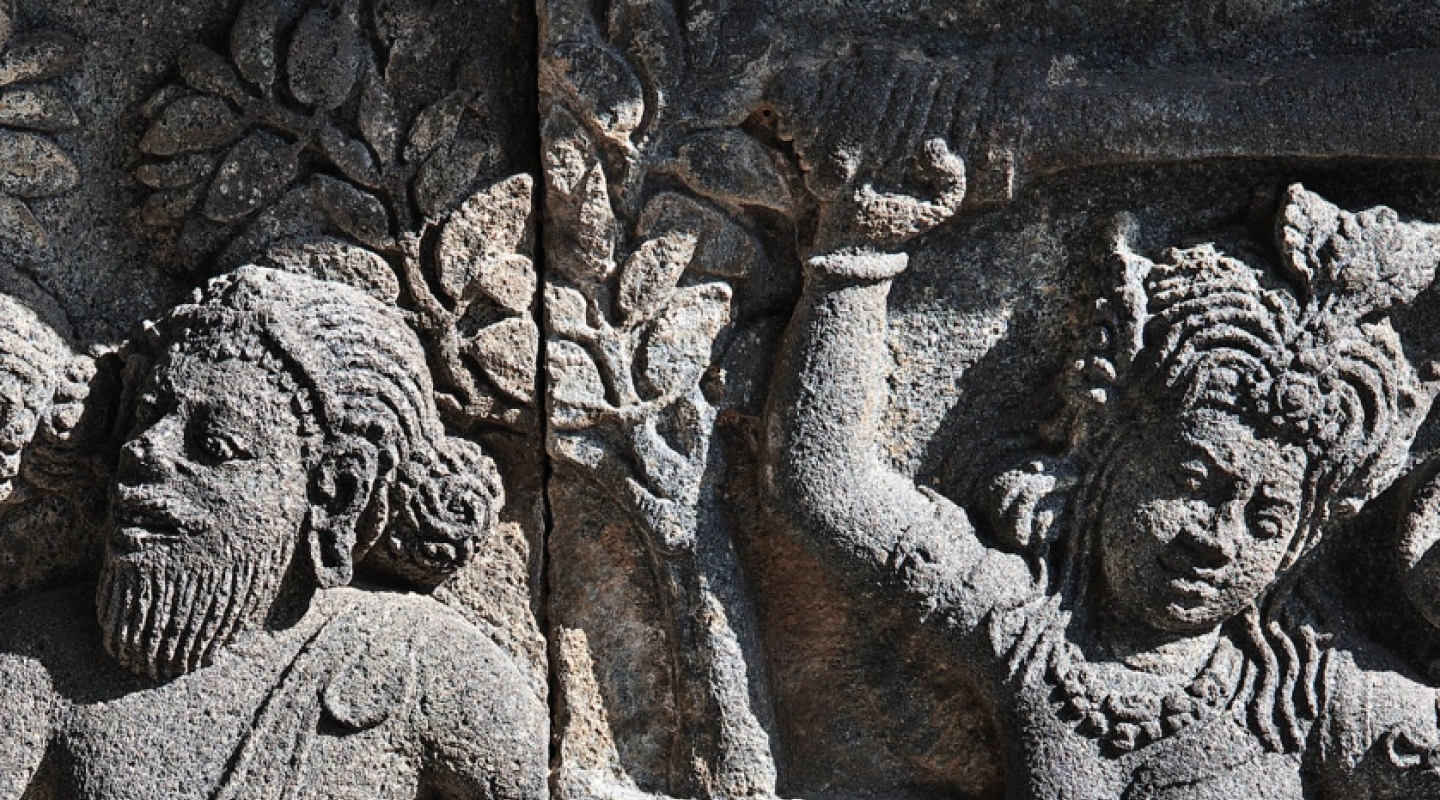
Coordinating Minister for Human Development and Culture of the Republic of Indonesia, Pratikno, expressed his appreciation for the completion of this historic agreement. He explained that this masterpiece, a legacy of the past, should not be understood simply as an architectural masterpiece. It embodies a rich web of moral values, culture, and evidence of the archipelago's advanced scientific knowledge, which must be preserved.
"We want this temple to continue to be a meeting place for religion, science, culture, and the economy of our society. Therefore, I invite all religious communities and the Indonesian people to work together to safeguard it so that people can worship in peace," said Pratikno.
This agreement was realized thanks to cross-sectoral synergy between the Ministry of Religious Affairs, the Ministry of Culture, the Ministry of Tourism, the State-Owned Enterprises Regulatory Agency, the Yogyakarta Provincial Government and the Central Java Provincial Government, as well as support from religious organizations. The success of this synergy is expected to have a sustainable, multi-sectoral impact on the surrounding ecosystem.
Minister of Religious Affairs Nasaruddin Umar emphasized that temples are not merely relics of the past or mere physical tourist destinations. Within these areas, spiritual values are held, the sacredness of which must be maintained as a meeting place between worshippers and God.
"This memorandum of understanding (MoU) is a continuation of the collaboration that has been established since 2022. Going forward, we want Prambanan, Borobudur, Mendut, and Pawon Temples to become not only tourist destinations but also centers of global spirituality," explained Nasaruddin Umar.
The agreement is part of a joint effort to ensure that the use of the temple area is in harmony with religious interests, the preservation of cultural heritage, and the benefit to the community through the development of quality and sustainable tourism.
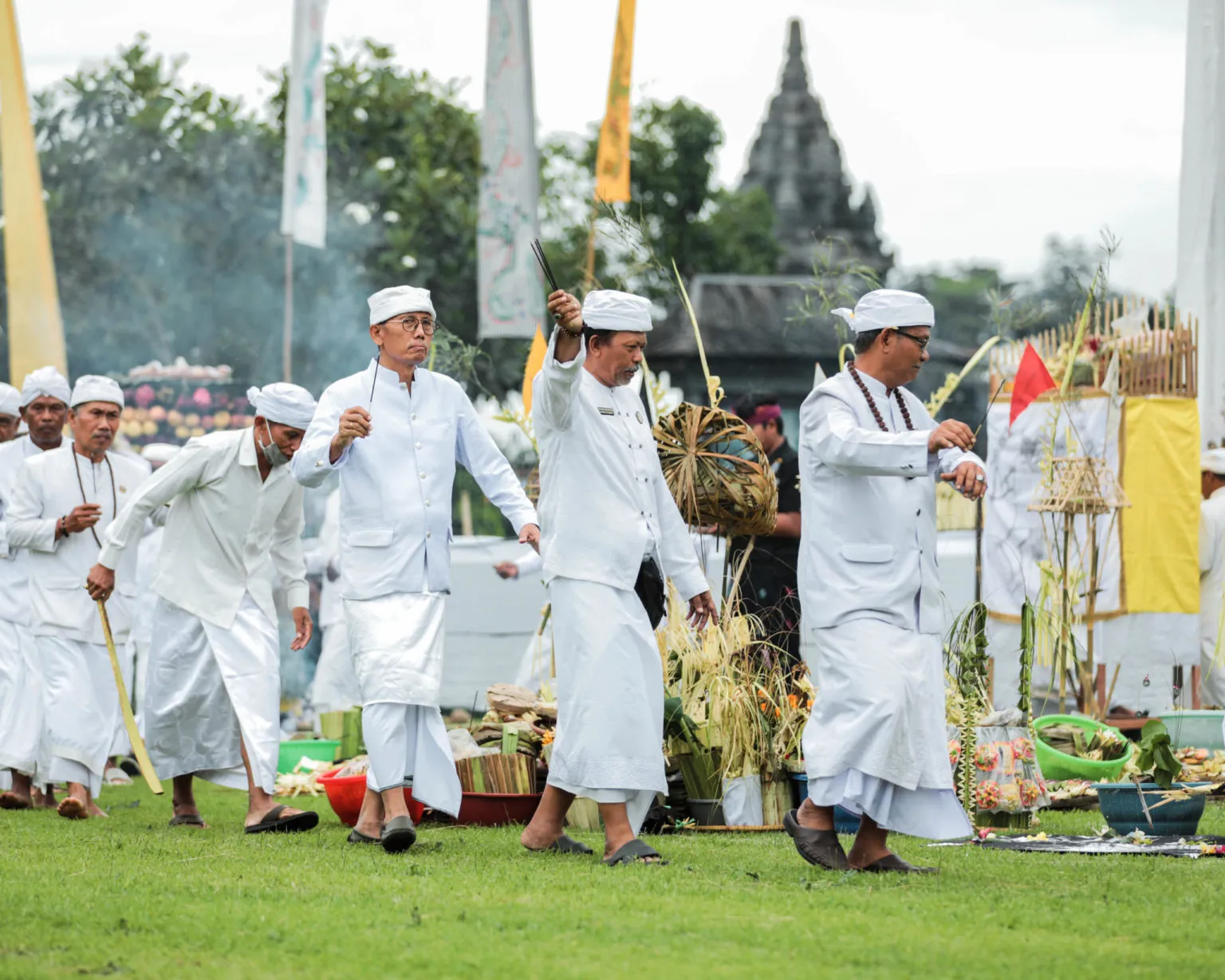
Prambanan and Borobudur temples have long been integral to the spiritual journeys of Hindus and Buddhists. The various religious activities held in these areas demonstrate that the spiritual values inherent in the temples are not merely a thing of the past, but remain a part of people's lives today.
Religious activities taking place in the temple area also serve as a concrete example of how cultural heritage can be kept alive while still paying attention to the principles of preservation, order, security, and sustainability of the area.
The development of religious tourism also has the potential to have a broader impact on the tourism ecosystem in the surrounding area. Increased religious activities can stimulate the local economy, including micro, small, and medium enterprises (MSMEs), accommodation and transportation providers, and other creative and local economic players.
PT TWC is committed to ensuring that the development of spiritual and tourism functions continues within the framework of cultural heritage preservation. Both activities must be managed with attention to the area's carrying capacity, visitor management, and the safety and comfort of the congregation.
This approach is part of PT TWC's efforts to develop heritage destinations that are inclusive, educational, sustainable, and beneficial to the community. Temples are viewed not merely as places to visit, but as a legacy of civilization that can be continuously studied, experienced, and passed on to future generations.
PT TWC believes that when spiritual and cultural values can continue to coexist with responsible tourism activities, temple areas can become not only travel destinations, but also spaces that provide experience, knowledge, serenity, and meaning for everyone who comes.